

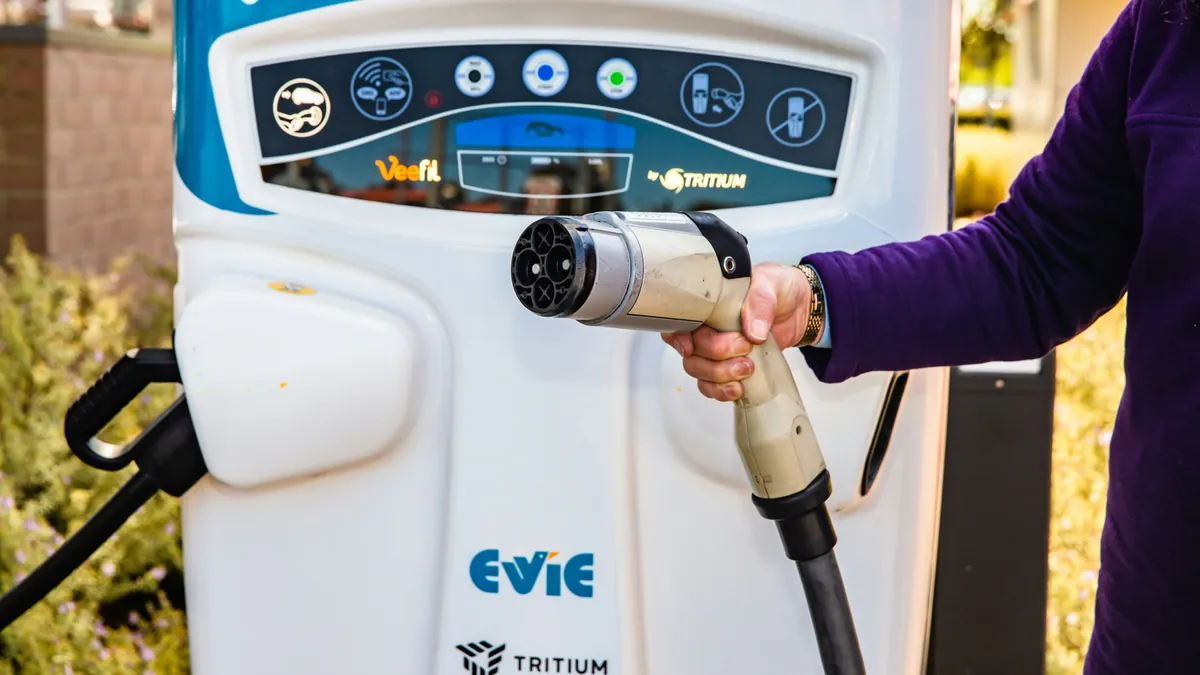
Delhi will spend an estimated Rs 62 crore under the PM E-DRIVE scheme on a public charging network of 540 chargers spread over 180 sites, officials told PTI, India Today reported on November 25. Delhi Transco Limited, the government's nodal agency for charging, is now choosing the companies that will operate the network. Each site is to have three chargers, each with two guns: a 120 kW fast charger, a 60 kW unit meant for four-wheelers and N1 goods carriers of up to 3.5 tonnes, and a 12 kW unit for electric two- and three-wheelers, an official document shows. The sites have been grouped by area into two packages of 90 each.1
The network is being planned as the Delhi EV Policy 2026 tightens registration rules: new L5 three-wheeler and N1 goods carrier registrations must be electric from January 1, 2027, and all new two-wheeler registrations from April 1, 2028. Separately, the Commission for Air Quality Management wants 32,062 charging points in the city by December 2029.1
Hindustan Zinc, part of the Vedanta Group, and IIT Madras have built an electric three-wheeler prototype that pairs a roughly 1 kWh zinc-air battery with a lithium-ion pack, the company said on November 26. The prototype was shown at the IIT Madras Energy Summit 2026. In the setup, the zinc-air battery acts as a range extender, feeding a constant trickle of power and meeting nearly 10 per cent of the vehicle's energy needs. Acceleration and power peaks are left to the lithium-ion pack. Zinc-air cells react zinc with oxygen taken from the air and use a water-based electrolyte that does not burn. The project, started in 2024 and led by Aravind Kumar Chandiran of IIT Madras' chemical engineering department, is now being tested in a working vehicle after its laboratory phase. Hindustan Zinc's announcement did not include range, charging, cost or production details. CEO Amarendu Prakash said the project was about "creating new demand avenues for zinc and strengthening its role in the global clean energy transition".23